

If you manage a rotational workforce, you already know that FIFO travel is nothing like regular corporate travel.
One missed flight can halt an entire shift rotation. A last-minute crew swap can cascade into a logistical nightmare. When you’re moving dozens or hundreds of workers to and from remote sites on a fixed schedule, there is minimal margin for error.
The question is not whether things will go wrong. It is whether your travel program is built to handle it when they do. That is what this guide is for.
You will get a clear picture of the challenges in rotational workforce travel, practical best practices for workforce travel management, and a solid framework for evaluating whether your current travel program is up to the job.
What is FIFO Travel and Why is it Critical in Energy and Resource Sectors?

FIFO travel is a workforce deployment model where employees fly to a remote work site for a defined rotation period, then return home for an equal or proportional rest break. It is the standard operating model for resource and energy sectors, where job sites are located far from populated centers and daily commuting is not an option.
The typical FIFO rotation follows a structured cycle. Workers fly out on a set day, complete a 14-day shift, then fly home for 14 days off. Some projects use 7/7, 8/6, or even 28/28 cycles depending on the location, jurisdiction, and nature of the work. What stays constant is the pressure on travel and logistics teams to deliver precise crew movements on tight schedules.
When fly-in, fly-out travel management breaks down, the consequences are serious. Crews arrive late, shifts go short-staffed, and productivity drops. In high-hazard environments like offshore platforms or remote mining camps, understaffing poses a safety risk.
What Industries Depend on FIFO Travel?
Several major sectors rely on FIFO travel as a core operational model:
- Oil and Gas: Offshore platforms and remote upstream operations rely on rotational scheduling, helicopter and charter flights, strict weather windows, and detailed crew-manifest compliance.
- Mining: Large open-cut and underground mines operate entirely on fly-in, fly-out workforces where commercial air connections may be limited or non-existent.
- Large-Scale Infrastructure and Construction: Major pipeline projects, remote transmission builds, and large civil works require substantial temporary workforces, often across multiple crew origins and airline connections.
- Energy and Renewables: Wind farm construction, LNG facility builds, and hydroelectric projects in remote regions are increasingly adopting FIFO models to bring skilled trades to the site.
What Makes Rotational Workforce Travel So Hard to Manage?
Rotational workforce travel is complex, and the challenges extend well beyond booking a flight. You are coordinating large crews across multiple home bases, fixed rotation windows, and unpredictable conditions.
Complex Rotations and Multi-Origin Crew Movements
A single rotation changeover can involve workers flying in from dozens of different cities. Some will connect through a regional hub. Others will take charter flights directly to a remote airstrip. You will also need to coordinate commercial bookings, charter legs, ground transport, and accommodation.
When you multiply this across several parallel rotations on a large project, the logistics become substantial. Without a centralized system and experienced travel managers on the details, the risk of errors compounds quickly.
Fatigue Risk, Weather Disruptions, and Last-Minute Changes
Three factors make FIFO travel management uniquely demanding:
Fatigue Risk
Workers travelling long distances before a shift begins can arrive tired and impaired. Poorly scheduled travel, long layovers, or overnight connections before a 12-hour shift can also create safety concerns. Responsible workforce travel management accounts for travel time within the duty-of-care framework.
Weather Disruptions
Remote sites are often in areas with extreme or unpredictable weather conditions. Helicopter operations to offshore platforms can be grounded for days. Ground transport in northern climates can be blocked by ice or snow. Your travel program needs contingency plans and rapid rebooking capabilities built in.
Last-minute Crew Swaps
Illness, personal emergencies, and site-level changes happen without warning. When a crew member cannot travel, a replacement needs to be found, briefed, inducted, and booked—often within hours. This requires a travel partner with 24/7 availability and strong relationships with airlines and charter carriers to move quickly.
What are the Best Practices for Managing Fly-In Fly-Out Travel?
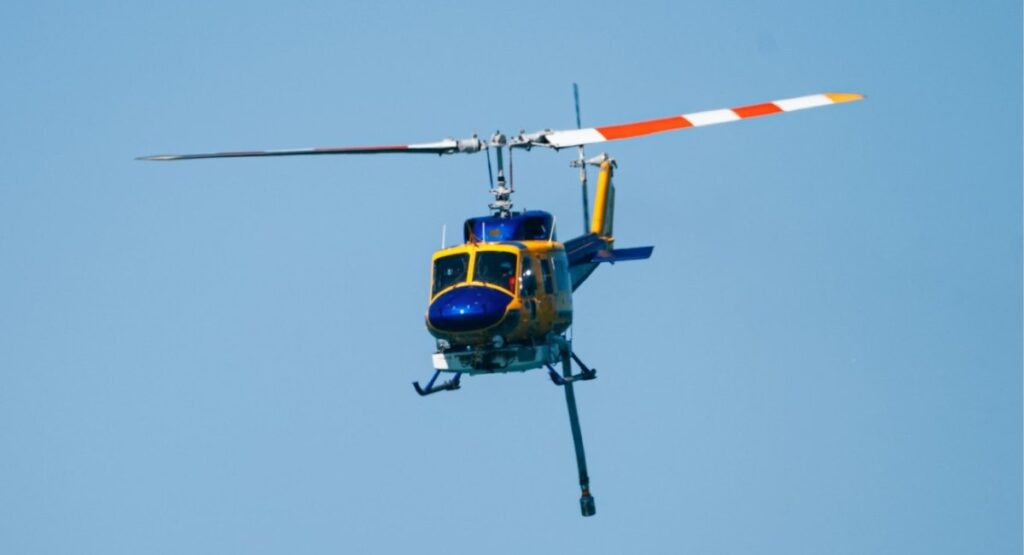
Effective FIFO travel management comes down to a clear set of core practices that reduce error, protect your crew, and keep costs in check.
Centralized Booking Systems
A centralized booking system is the single most important tool in your FIFO travel program. When all bookings flow through one platform and one team, you get full visibility across your workforce, consistent policy application, and a single source of truth for reporting and auditing.
On the other hand, a decentralized booking—where different site managers or crew coordinators book independently—is one of the most common sources of cost blowout and compliance gaps in rotational workforce travel. Consolidation fixes both.
Charter Coordination
Charter coordination is a specialized capability that your travel program needs to handle well. Your travel partner should have established relationships with charter operators and the ability to negotiate block seat agreements. It should also have experience managing the documentation and manifest requirements that come with charter operations.
Flexible Fares
FIFO travel is inherently unpredictable. You should be booking flexible fare classes wherever a rotation has a high probability of change. An experienced crew travel provider will know when to use flexible fares and when to use fixed fares based on your rotation history and the nature of each project.
Real-Time Tracking
Real-time tracking of your crew’s travel status is a basic duty-of-care requirement. You need to know which flights have departed, who has been delayed, and where crews are connecting. A proper workforce travel management system gives you that visibility on a single dashboard.
24/7 Emergency Response
FIFO operations do not keep office hours. A weather disruption at 2 a.m. or a crew member taken ill on a Saturday requires immediate action. Your travel partner needs 24/7 support and experienced agents who can act, rebook, and problem-solve in real time.
At Worldgo, our crew travel service is built specifically for this kind of pressure. Our team handles last-minute changes, complex itineraries, and bulk bookings with agents who understand the demands of crew logistics from the ground up.
How Do You Stay Compliant with Safety and Duty-of-Care Requirements?

Compliance and safety are non-negotiable in FIFO travel, and many companies underestimate the complexity involved.
Duty of Care in Rotational Workforce Travel
Your duty-of-care obligations as an employer do not pause when your workers board a plane. You are responsible for their safety and welfare throughout the entire journey. This means your travel program needs to account for:
- Travel time as fatigue: Long-haul flights and multi-leg journeys should be scheduled to minimize fatigue before the first shift. The best practice is to build in a rest buffer wherever the rotation schedule allows.
- Real-time location awareness: In the event of a flight disruption or emergency, you need to know immediately who is affected and where they are. This is both a best practice and, in many jurisdictions, a legal requirement.
- Emergency communication protocols: Your crew should have clear instructions on what to do if something goes wrong in transit. Your travel provider should also have escalation paths that connect directly to your operations team.
HSE Integration and Site Compliance
Many remote sites have strict induction and compliance requirements for arriving crew. Your travel program should integrate with your HSE team’s processes so that crew manifests, induction records, and compliance documentation travel with the booking.
Workers arriving without completed inductions can be turned away at the gate, which wastes expensive travel costs and leaves shifts short. A structured workforce travel management process catches these gaps before they become problems on the day.
What Role Does Technology Play in Workforce Travel Management?

Technology is the backbone of a well-run FIFO travel program. The right tools give you visibility, control, and efficiency across your entire rotational workforce travel operation.
Key technology capabilities your program should include:
- Online booking with policy guardrails: A booking tool that applies your travel policy automatically at the point of booking prevents off-policy fares, captures preferred suppliers, and routes approvals to the right people.
- Automated reporting and spend analytics: A platform that tracks crew travel spend by project, site, rotation, and cost center. This data is essential for budgeting, auditing, and negotiating better rates with airlines and charter operators.
- Risk management and real-time alerts: A travel risk platform that monitors your crew’s status, flags disruptions, and pushes alerts to your team and your travelers. This is especially critical for remote or international FIFO operations.
- Virtual payment tools: Centralized payment solutions that eliminate out-of-pocket expenses for your crew members and give your finance team full visibility into spend without waiting for expense reports to come in.
You can explore Worldgo’s full technology offerings at worldgo.us/technology.
How Do You Cut Costs on Rotational Workforce Travel?

FIFO travel is expensive. For large projects, crew travel can represent a significant share of the total workforce budget. The good news is that proven strategies exist to reduce costs without cutting corners on service or duty of care.
Key Cost Optimization Strategies
- Negotiate block seat agreements: If you are moving consistent crew numbers on the same routes, block seat agreements with airlines or charter operators can lock in significant discounts. This requires volume data and supplier relationships—two things a specialist travel partner brings to the table.
- Use flexible fares strategically: Not every booking needs to be flexible. Understanding which rotations are stable versus high-change allows you to optimize your fare mix and reduce unnecessary spend.
- Centralize and consolidate: When crew travel is managed through multiple channels, you lose purchasing power and visibility. Consolidating all bookings through a single program drives volume to preferred suppliers and captures the discounts that come with it.
- Audit credits and unused tickets: In high-volume programs, unused ticket credits accumulate quickly. Tracking and reusing these is a real source of savings that often goes unmanaged without a dedicated travel partner monitoring it.
- Review accommodation and ground transport: Air is only part of the equation. Camp accommodation, hotel blocks near transit hubs, and ground transport to and from the airport are all areas where preferred agreements and smart logistics can reduce your total crew travel cost.
Why Partner with a Specialized Crew Travel Provider?
A general corporate travel agency is not built for the demands of rotational workforce travel. The complexity, volume, time sensitivity, and duty-of-care requirements of FIFO travel demand a partner with specific expertise.
A specialized crew travel provider brings:
- Dedicated crew travel agents who understand the pressures of FIFO operations and can act decisively without needing their hand held.
- 24/7 support backed by experienced agents available around the clock.
- Deep airline and charter relationships that give you access to inventory, pricing, and flexibility that off-the-shelf booking tools cannot match.
- Integrated technology that connects bookings, tracking, reporting, and payments in one place.
- Cross-industry experience in oil and gas, mining, construction, and renewables, so your team is not spending time educating a new partner on how your operations work.
Worldgo’s crew travel service is designed for exactly this kind of complexity. Our team handles last-minute crew swaps, multi-origin rotations, charter coordination, and 24/7 emergency support. We have purpose-built technology and agents who know what is at stake when a rotation does not go as planned.
If your current travel program was not built for the demands of FIFO travel, connect with the Worldgo crew travel team.
Frequently Asked Questions About FIFO Travel Management
FIFO stands for fly-in, fly-out. It is a workforce model where employees travel to a remote work site for a set rotation period, then return home for rest. The model is common in oil and gas, mining, construction, and large infrastructure projects where the site is too remote for daily commuting.
Regular corporate travel is typically individual and event-driven. FIFO travel involves coordinating large groups of workers on fixed rotation cycles, often to remote locations with limited commercial air access. The volume, complexity, and duty-of-care requirements are significantly higher, and the consequences of a failed booking are more serious.
The biggest operational risk is a missed or delayed rotation, which leaves a site short-staffed. The biggest safety risk is crew fatigue from poorly scheduled travel before a high-hazard shift. Both are manageable with the right travel program and a partner who understands the environment.
Last-minute crew changes require a travel partner with 24/7 support, airline relationships, and the ability to act immediately. The best programs have pre-approved replacement-booking procedures, flexible fares reserved for emergencies, and clear escalation paths to your operations team.
At a minimum, your program should include a centralized booking system with policy enforcement, real-time crew tracking, automated reporting, risk management alerts, and a virtual payment solution.
Key cost-reduction strategies include block-seat agreements on high-volume routes, strategic use of flexible versus fixed fares, consolidating all bookings into a single managed program, and auditing unused ticket credits. Reviewing ground transport and accommodation agreements can also significantly reduce total crew travel costs.


